-
9AM - 5PM
-
9AM - 5PM


The Grief of Perimenopause: Mourning the Woman You Were
Perimenopause involves real losses, and loss needs grieving, not fixing. A grief therapist on identity, confidence and finding yourself again in midlife.

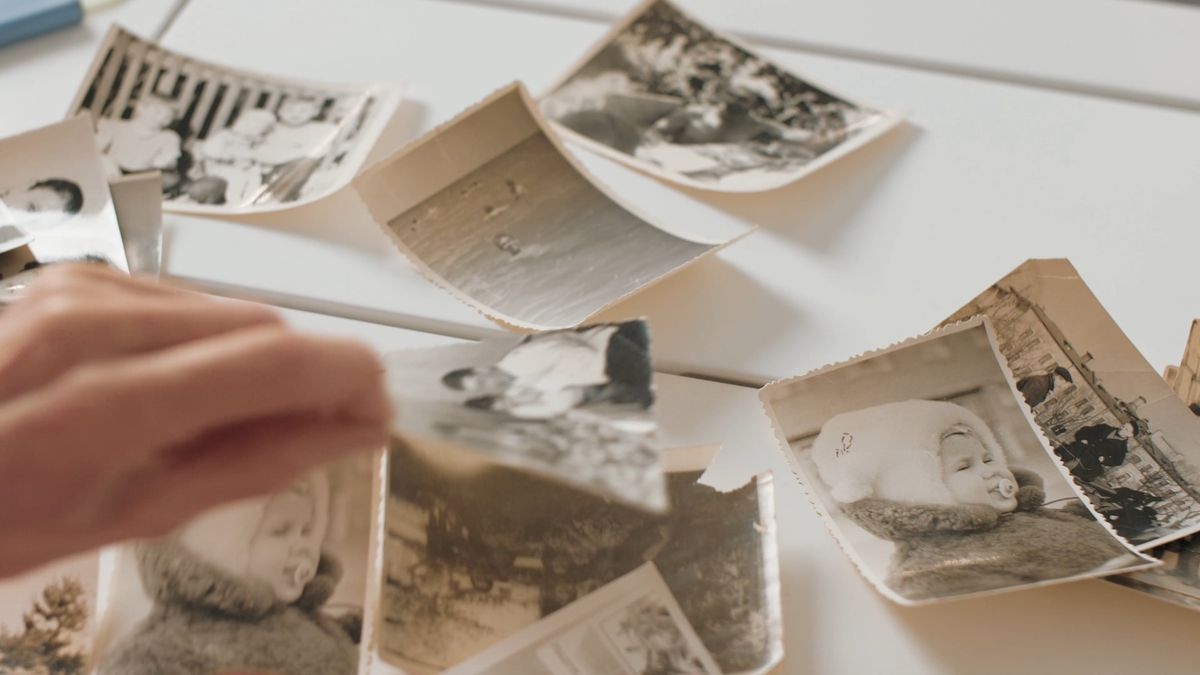
I have spent my working life sitting with grief. I've written about its twelve stages, held space for it in counselling rooms and daily grief circles, and lived my own. So I want to tell you something about perimenopause that the symptom lists never say, and that I believe explains why this transition cuts so much deeper than hot flushes ever could.
Perimenopause is a bereavement. Not like a bereavement. An actual one.
The grief of perimenopause is the mourning of real losses: fertility, identity, youth, and the version of yourself you have been for decades. Because these losses are rarely named or acknowledged, many women experience deep grief in midlife without recognising it as grief, and blame themselves for struggling. Psychologists call unacknowledged mourning disenfranchised grief, and it is the loneliest kind, because nobody brings you flowers for it.
The losses nobody names
When a woman tells me "I don't know who I am any more", we go looking together, and we keep finding the same unmourned losses.
The choice, not just the fertility. Plenty of women who never wanted more children, or any, are blindsided by grief when the door closes anyway. What's lost isn't necessarily a baby. It's the choice, the possibility, a body that ran on that deep rhythm for forty years. You're allowed to mourn a possibility you weren't going to use. Grief doesn't check whether you had plans.
The woman in the mirror. Our culture ties female worth to youth so tightly that ageing arrives as accusation. The changing face and body, the becoming-invisible that many women describe in rooms where they used to be seen. Vanity is the dismissive word for this grief. It isn't vanity. It's the loss of a currency you were forced to trade in your whole life, and it deserves mourning, and then, genuinely, the freedom on the other side of it.
The self who could. The one who ran on six hours' sleep, held the diary in her head, absorbed everyone's needs without visibly bleeding. Perimenopause takes the spare capacity first, and with it the identity built on being the one who copes. For many women I see, this is the sharpest loss of all, because so much love and worth got wired to it.
The life as it was. Relationships renegotiated by rage and exhaustion, desire that's changed shape, friendships thinning as everyone disappears into their own storms, sometimes alongside children leaving and parents failing. Midlife rarely sends one loss at a time.
Look at that list. Any single item would justify grief. Women routinely carry all of them at once, unnamed, while performing normal life and wondering why they cry in the car.
Why "just a phase" makes it worse
Everything our culture says about menopause is designed to skip the mourning. It's just hormones. It's just a phase. At least it's not serious. Every "just" tells a woman her grief has no licence, and unlicensed grief doesn't drain away. It converts: into anxiety, into rage (grief's loudest disguise, and I say that as someone who wrote a whole piece on anger's place in grieving), into the flat "destroying my life" despair that women type into search engines at 4am, into shame.
In bereavement work we know the way through loss is never around. Perimenopause is no different. The women who fare best are not the ones who feel least. They're the ones who get to mourn.
How grief work applies
Everything I know from the 12 stages of grief applies here, and it changes how you hold this transition.
Grief isn't linear; you'll cycle through shock, denial, anger, sadness and acceptance out of order and repeatedly, so a despairing Tuesday after a peaceful month is not relapse, it's grief behaving normally. Naming each loss specifically matters, because "I feel awful" can't be mourned but "I am mourning the mother-years ending" can. Ritual and acknowledgement matter: writing a letter to the woman you were, thanking her, telling someone safe what's actually ending. Witness matters most of all. Grief shared is grief halved is a cliché because it's physiology.
And the stages have a direction. In my grief work the later stages are reconstruction, meaning, giving back, and finally growth and transformation. Mourning is not where you're going to live. It's the road.
The woman emerging
Here's what two decades alongside grieving people have taught me, and I've watched it hold in midlife again and again: the self that gets rebuilt after honest mourning is more durable than the one that was lost, because it's chosen rather than inherited.
The woman on the other side of this transition tends to know what she thinks. Her worth has been forcibly unhooked from youth, from fertility, from infinite coping, and what's left is hers. Many women describe their fifties as the first decade they felt fully themselves. That is not compensation talk. It's the twelfth stage, and it's where this series is headed in the final article.
But you can't skip to it. First, the woman you were deserves a proper goodbye. She was magnificent. She carried you here.
Frequently asked questions
Is it normal to feel grief in perimenopause?
Yes, and it's more accurate to say it's appropriate. Perimenopause involves real losses: fertility, identity, youth, and life as it was. Grief is the normal human response to loss, and unacknowledged grief, not oversensitivity, is why so many women feel deeply sad in midlife without knowing why.
Why have I lost my confidence in perimenopause?
Partly hormones: oestrogen swings affect mood, memory and sleep, which all feed confidence. But often it's also unmourned loss; when the self you knew changes and nobody acknowledges it, self-doubt fills the gap. Confidence typically rebuilds strongly once both layers are addressed, and many women exceed their old baseline.
Does menopause cause self-doubt?
Very commonly, yes. Brain fog undermines trust in your own mind, emotional swings undermine trust in your reactions, and cultural silence leaves you assuming the fault is personal. Understanding the mechanisms, grieving the losses and getting proper support reverses this for most women.
Is lack of motivation a common symptom of menopause?
Yes. Falling and fluctuating oestrogen affects dopamine, the motivation chemistry, and exhaustion plus low mood flatten drive further. Persistent loss of interest in things you love can also signal depression, which deserves a GP conversation rather than self-diagnosis.
Grieving is my life's work, and helping women mourn this transition, and then build what comes next, is exactly what I do. If this article named something you're carrying, book a free discovery call here. Next in the series: food, sugar, weight and hormones.
This article is part of The Perimenopause Journey, a nine-part series.
Previous: part 5 · Next: part 7