-
9AM - 5PM
-
9AM - 5PM


Perimenopause, Sleep and Fatigue: Why You’re So Tired
Why perimenopause breaks your sleep and drains your energy, the 4am waking explained, and how to rebuild rest. From therapist and hypnotherapist Sharon Rosenbloom.

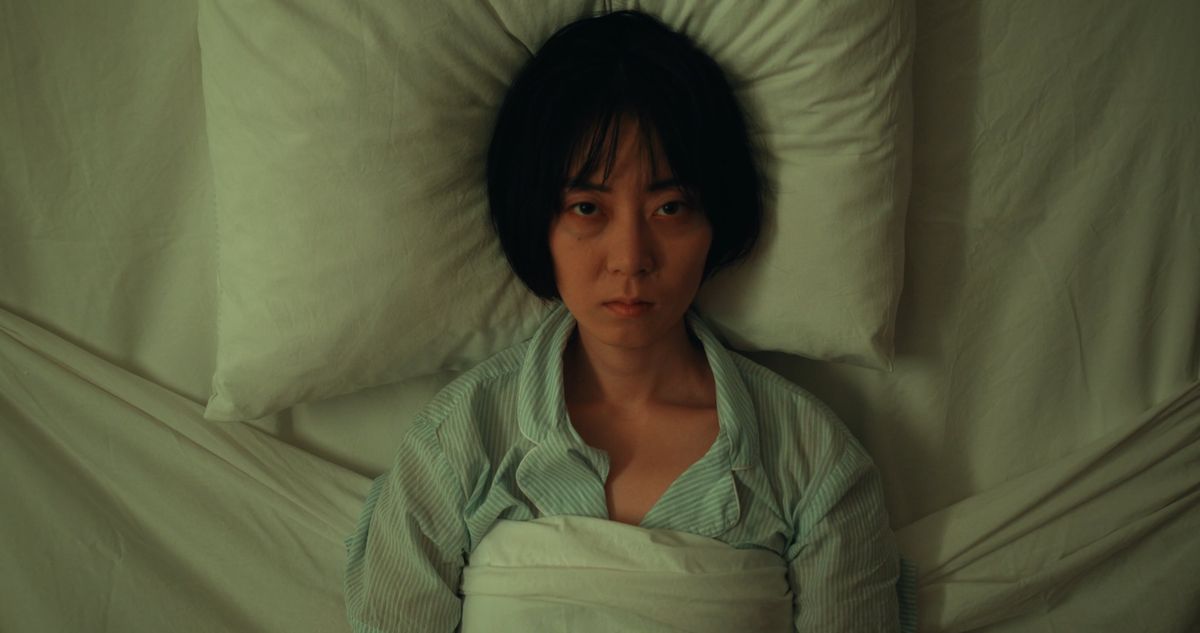
If I could only fix one perimenopause symptom for the women I work with, I would fix sleep. Not because it's the worst symptom, but because it's the multiplier. Anxiety is harder on five hours' sleep. Brain fog is thicker. The fuse is shorter. Food choices slide. Fix nothing else first.
Perimenopause disrupts sleep mainly through falling progesterone, which has a naturally sedative effect, and fluctuating oestrogen, which affects temperature regulation and the stress response. The classic result is waking in the early hours, often around 3 or 4am, sometimes drenched, often wired, and lying awake while the next day gets heavier. Around half of women report significant sleep problems during the transition, and the fatigue that follows is one of the most common perimenopause complaints of all.
The 4am club
Ask a room of perimenopausal women who wakes at 4am and watch the hands go up. This particular pattern has mechanics behind it.
Progesterone, which declines early in perimenopause, acts on the brain's GABA system, the same calming pathway targeted by sleep medication. Less of it means lighter, more breakable sleep. Meanwhile oestrogen swings disturb the hypothalamus, your internal thermostat, producing night sweats that wake you between sleep cycles. And cortisol, the alertness hormone, naturally begins rising in the early hours; on a perimenopausal nervous system already running hot, that gentle rise can land like an alarm clock.
Then comes the cruellest part: the anxiety about not sleeping. You check the clock, calculate the hours left, and the frustration itself produces enough arousal to keep you awake. Sleep becomes a performance you can fail at. That loop, more than the hormones, is what turns a few bad nights into months of insomnia.
Fatigue is more than lost sleep
Some women sleep passably and are still exhausted, and that deserves saying. Perimenopausal fatigue has several sources stacked on top of each other: broken sleep, yes, but also the sheer metabolic work of hormonal fluctuation, heavier periods quietly draining iron, low mood flattening energy, and a midlife load (work, teenagers, ageing parents) that would tire anyone even with perfect hormones.
Two practical notes. If your periods have become heavy, ask your GP to check your iron and ferritin; low iron is common, missable and fixable. And thyroid problems peak in midlife women with symptoms that mimic perimenopause almost exactly, so a thyroid check is reasonable if fatigue is severe. Neither takes long to rule out, and both hide behind "it's just my age".
Rebuilding sleep, realistically
Generic sleep hygiene lists tell you to have a cool dark room and no screens. Fine, but you know that. Here is what I actually see working for midlife women.
Work with the wake-up, not against it. If you wake at 4am, the worst thing you can do is fight it while watching the clock. Sleep specialists' advice, and it holds in my experience: if you're properly awake for more than about twenty minutes, get up, keep lights low, do something quiet and boring, and go back when sleepy. You're retraining your brain that bed means sleep, not struggle. And turn the clock face away; the arithmetic never helps.
Cool the night sweats' runway. Layered bedding you can shed, cotton nightwear, a cooler room than you think you want, and a real look at evening alcohol. Alcohol deserves honesty here: it makes falling asleep easier and staying asleep dramatically worse, and it's a known flush trigger. Many women find evening wine is single-handedly buying their 3am waking.
Protect the wind-down. A midlife nervous system running on fluctuating hormones does not switch from doing to sleeping on command. The hour before bed is load-bearing now in a way it wasn't at 30. This is where my hypnotherapy work earns its keep: relaxation and guided imagery practices genuinely lower the arousal that fragile sleep can't survive, and clinical trials have found hypnosis-based programmes can meaningfully reduce hot flushes too.
Treat the insomnia loop itself. If sleeplessness has become self-sustaining, CBT for insomnia (CBT-I) is the recommended first-line treatment, ahead of sleeping tablets, and it works well for menopausal insomnia. It targets the clock-watching, the catastrophising and the failed-performance loop directly.
Take it to your GP if it's wrecking you. Persistent insomnia and fatigue are legitimate GP territory. HRT often improves sleep where night sweats are the driver, and the NICE guidance supports discussing it for symptoms affecting your quality of life. Sleep is quality of life.
Frequently asked questions
Is it normal to wake up at 4am during perimenopause?
Yes, early-hours waking is one of the most commonly reported perimenopause sleep patterns. Falling progesterone lightens sleep, night sweats break it, and the natural early-morning cortisol rise can then tip a sensitised system fully awake. Common, explainable, and improvable.
What does perimenopause insomnia feel like?
Most typically: falling asleep normally but waking between 2 and 4am, sometimes hot or with a racing heart, then struggling to drop back off. Some women also can't fall asleep in the first place because the mind won't switch off. Both patterns trace back to the same hormonal shifts.
What can I do to improve my sleep during perimenopause?
Prioritise a genuine wind-down hour, keep the room cool with sheddable layers, be honest about evening alcohol and caffeine, get up briefly if fully awake rather than clock-watching, and consider CBT-I or relaxation and hypnotherapy work if the pattern has stuck. See your GP if sleep problems persist; treating night sweats often restores sleep.
What is the best sleep aid for perimenopause?
There's no magic supplement, and I'd be wary of anyone selling one. The strongest-evidence options are CBT-I for the insomnia loop and, where night sweats drive the waking, HRT via your GP. Magnesium helps some women and is low-risk at sensible doses, but check with a pharmacist or your GP, especially alongside other medication.
Sleep is where I start with almost every client, because everything else gets easier from there. If you'd like help rebuilding yours, book a free discovery call here. Next in the series: brain fog and memory, and why you are not losing your mind.
This article is part of The Perimenopause Journey, a nine-part series.
Previous: part 3 · Next: part 5