-
9AM - 5PM
-
9AM - 5PM


Postmenopause: What It Means and What to Expect at 50, 55, 60 and Beyond
Postmenopause explained by age, from your early 50s to 70 and beyond: what fades, what persists and what needs a GP. From counsellor Sharon Rosenbloom.

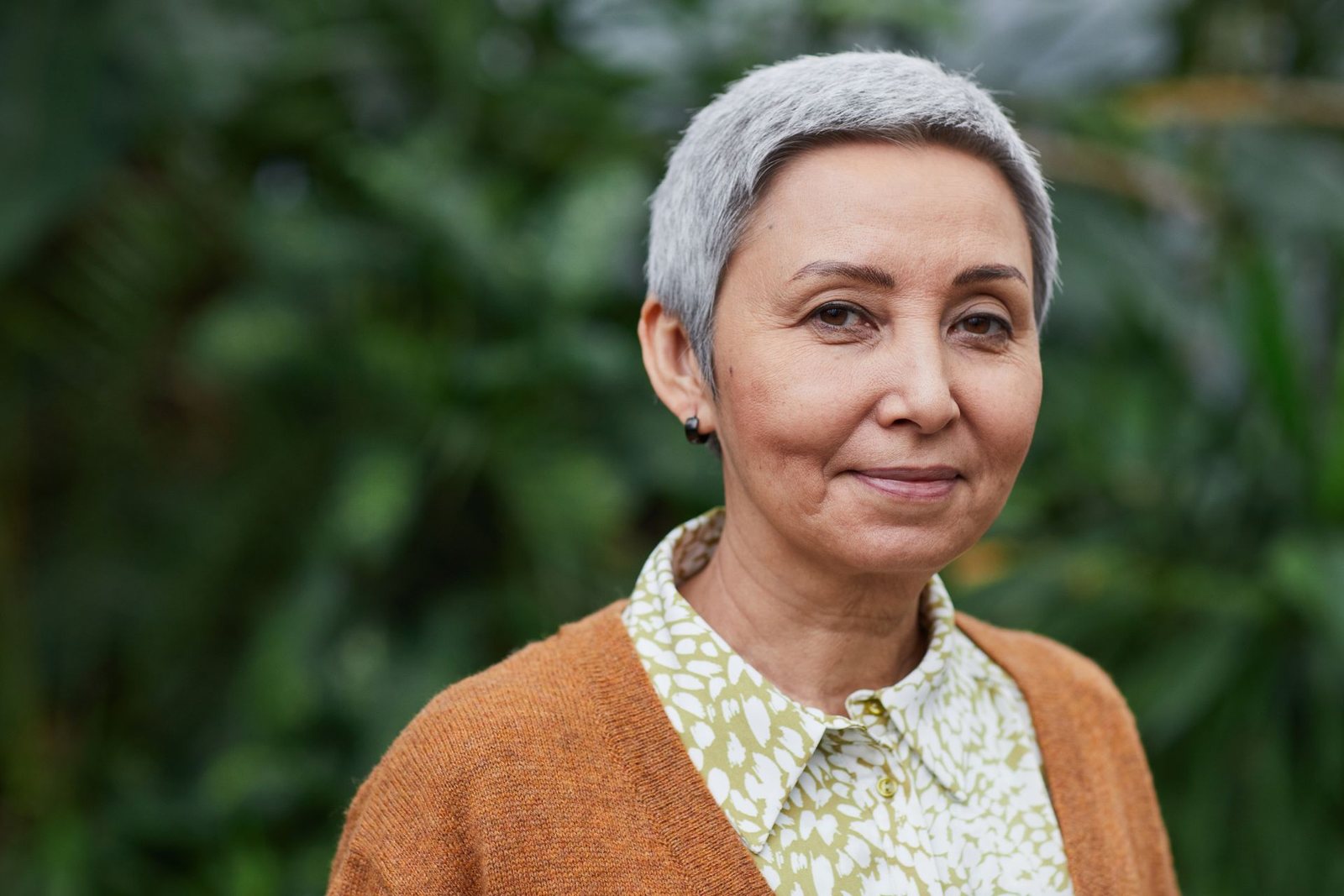
A woman came to see me the week after her GP confirmed it: twelve months, no period, officially postmenopausal. She expected to feel different. She did not. The flushes she had lived with for two years were still turning up most afternoons, her sleep was no better, and now there was a new question sitting on top of the old ones: if this is not perimenopause any more, how long is it going to last?
The honest answer surprises most women. Postmenopause is not a phase with an end date. It is not something you get through and come out the other side of, the way you get through perimenopause. It is where you live now, for the rest of your life, and the useful question is not “when does it end” but “what does it actually involve, at my age, right now”.
That is what this article maps out: what tends to persist, fade or turn up new, decade by decade, from your early fifties through to your seventies and beyond.
Postmenopause is the stage of life beginning twelve months after your final period, lasting the rest of your life. It follows the single point in time medically defined as menopause. Some symptoms from the transition fade within a few years, others persist, and a few genuinely new issues, mostly involving bone, heart and vaginal health, tend to emerge.
What postmenopause actually means
If you read through the menopause series, or arrived here from what a menopause coach does, you already know the shape of the transition. Perimenopause is the long run-up. Menopause itself is one day, the point twelve months after your last period, and the NHS puts the UK average age for that at 51. Postmenopause is everything after it, and I laid the whole map out in the stages of menopause, the article this series builds on.
What changes once you cross into postmenopause is not your symptoms overnight. It is the ground you are standing on. Oestrogen and progesterone settle at a permanently low level now, rather than swinging unpredictably the way they did in perimenopause. That steadier baseline is why many women do eventually feel more like themselves, but it is also why certain risks, particularly to bone and heart health, become a long-term feature of this stage rather than a passing symptom to wait out.
One thing does not change no matter which decade you are in. Any bleeding at all, once you have gone twelve months without a period, needs a GP appointment, and needs it promptly, every single time, at 52 or at 82. Most causes turn out not to be serious, but the NHS is clear that this is always checked rather than watched, so book the appointment rather than waiting to see whether it happens again.
Your early 50s: still settling
For most women, the early fifties are where postmenopause starts, since the UK average age of the final period sits around 50, with menopause itself confirmed roughly a year later. This is usually the loudest decade, not the quietest, because so many perimenopausal symptoms are still active. Hot flushes and night sweats commonly continue for some time past the twelve-month mark, sleep is often still disrupted, and mood can still swing. None of that means something has gone wrong, or that you are still “in” perimenopause; it means symptoms and the ending of periods do not run on the same clock, and I cover exactly how long that overlap tends to last in how long symptoms last after menopause.
Vaginal dryness and discomfort during sex often become noticeable in this decade too, sometimes for the first time. It is common, it usually becomes more noticeable rather than less without some form of treatment, and it has its own article: sex after menopause. I am a counsellor, not a doctor, so any decision about vaginal oestrogen, HRT or other medication belongs in a conversation with your GP, not in an article.
Your late 50s: bone, heart and shape
By the late fifties most of the loud symptoms have usually quietened, and a different kind of change tends to take over, one that is felt less and matters more. Oestrogen protects both bone and the arteries, and once it drops permanently that protection goes with it. The Royal Osteoporosis Society notes that bone loss speeds up in the years right after menopause, and that around one in two women over 50 will break a bone due to poor bone strength at some point in their life. The British Heart Foundation makes a similar point about the heart: a woman’s cardiovascular risk rises after menopause, because the protective effect oestrogen had on the arteries is gone.
Weight also tends to redistribute rather than simply increase, settling more around the middle even when the number on the scale barely moves, and that shift is connected to the same hormonal change, not to willpower. None of this is inevitable decline; it is a decade where habits genuinely change the outcome, and I have set out what actually helps in bones, heart and weight after menopause.
A woman I worked with in her late fifties arrived convinced she had “let herself go”, because her waist had changed shape over a single year on exactly the same diet and exercise she had kept for a decade. She had not let anything go. Her hormones had changed the terms.
Your 60s: settling, with new medical priorities
Sixty is often quieter on the surface. Hot flushes have usually eased for most women by this point, though not all, and I look at that variation properly in the symptoms-duration article linked above. What tends to be present instead is a steadier, less dramatic set of concerns: vaginal dryness and discomfort during sex, which usually persists or worsens without treatment rather than fading on its own; joint aches; lighter sleep than in earlier decades; and, for a good many women, a low mood that has less to do with hormones directly and more to do with what this decade often brings alongside them: retirement, grandchildren arriving, parents becoming frail or dying, and a shrinking circle of people who ring just to talk. I work with a great deal of that loneliness and low mood in the counselling room, and I cover it, including when it needs more than company, in low mood, loneliness and depression after menopause.
Medically, this is also the decade the NHS Health Check, offered to everyone in England aged 40 to 74, becomes particularly worth attending, since it screens for exactly the cardiovascular and diabetes risk factors that rise after menopause. Bone and heart health, covered in full in the article linked above, remain a live concern rather than a one-off item to tick off in your fifties.
Seventy and beyond: what continues, and what still needs checking
By your seventies, most of the classic transition symptoms, flushes, night sweats, mood swings, have usually settled for the great majority of women, though a minority carry some of them for life, and there is nothing wrong with you if you are one of them. What tends to still be active, and is often under-discussed at this age, is genitourinary syndrome of menopause: the dryness, thinning tissue and discomfort that affects the vagina, vulva and bladder, and which does not improve by itself the way flushes tend to. It is treatable, it deserves attention at 75 exactly as much as at 55, and I write about it directly, including the shame that often stops women mentioning it at all, in sex after menopause.
Bone fracture risk is at its highest in this decade, which makes the habits covered in the bone and heart article more important, not less. And the bleeding rule from earlier still applies without exception: any bleeding at 75 or 85 needs the same GP visit it would need at 52.
A woman I saw in her early seventies, widowed two years, told me she had stopped mentioning her own health to anyone because everyone assumed she was “past all that”. She was not past any of it. Postmenopause does not have a closing decade, and neither does needing to be asked how you actually are.
So does it ever feel normal again?
This is the question underneath nearly everything above, whichever decade you are reading this in. The honest answer is that most women do reach a point, sometimes years into postmenopause, where the effort of managing symptoms recedes and something steadier returns, though it is rarely the identical self you had at forty. I write about that directly, because it deserves its own honest answer rather than a line at the end of an age-by-age guide, in will I ever feel like myself again after menopause.
Frequently asked questions
Do you feel normal again after menopause?
Many women do, though rarely as an exact return to how they felt before. For most, energy, mood and thinking clear gradually over the years after menopause as hormones settle at a steady, if lower, level, and symptoms that dominated perimenopause fade one by one. What tends to remain, and to feel entirely normal in a good way, is a woman who is less apologetic and more direct than she was before. Give it time rather than a deadline.
What are the worst post-menopause symptoms?
Women most often name three: genitourinary syndrome of menopause, the vaginal dryness and discomfort that tends to worsen rather than fade without treatment; disrupted sleep, which affects mood, memory and patience all at once; and joint aches that seem to appear from nowhere. Hot flushes usually ease within several years for most women, whereas these three can persist for life if left untreated, which is exactly why they are worth raising with your GP rather than accepting quietly.
How long do symptoms of postmenopause last?
It varies widely and does not stop on the anniversary of your last period. Hot flushes and night sweats often continue for several years past that point, joint aches and sleep disruption vary from woman to woman, and vaginal and bladder symptoms tend to persist or worsen without treatment rather than fade. I map out what usually fades, what usually stays, and roughly when, in how long symptoms last after menopause.
What are the common symptoms of postmenopause in people aged 60 in the UK?
At 60, hot flushes have usually eased for most women, though not all, and what tends to remain is quieter: vaginal dryness and discomfort during sex, joint aches, lighter sleep, and sometimes low mood connected as much to retirement, grandchildren, ageing parents and a smaller social circle as to hormones. This is also the decade the NHS Health Check, offered in England from 40 to 74, becomes particularly relevant, screening for the heart and bone risks that rise after menopause.
I map the whole of postmenopause this way, decade by decade, because a generic symptom list rarely tells you what matters at your own age. If you want to work out where you are and what to actually do about it, book a free discovery call here. Next in the series: How Long Do Menopause Symptoms Last After Your Periods Stop?
This article is part of Life After Menopause, a six-part series.
Next: part 2