-
9AM - 5PM
-
9AM - 5PM

How Long Do Menopause Symptoms Last After Your Periods Stop?
How long do menopause symptoms last after your final period? What fades, what persists, and where HRT decisions belong. From counsellor Sharon Rosenbloom.

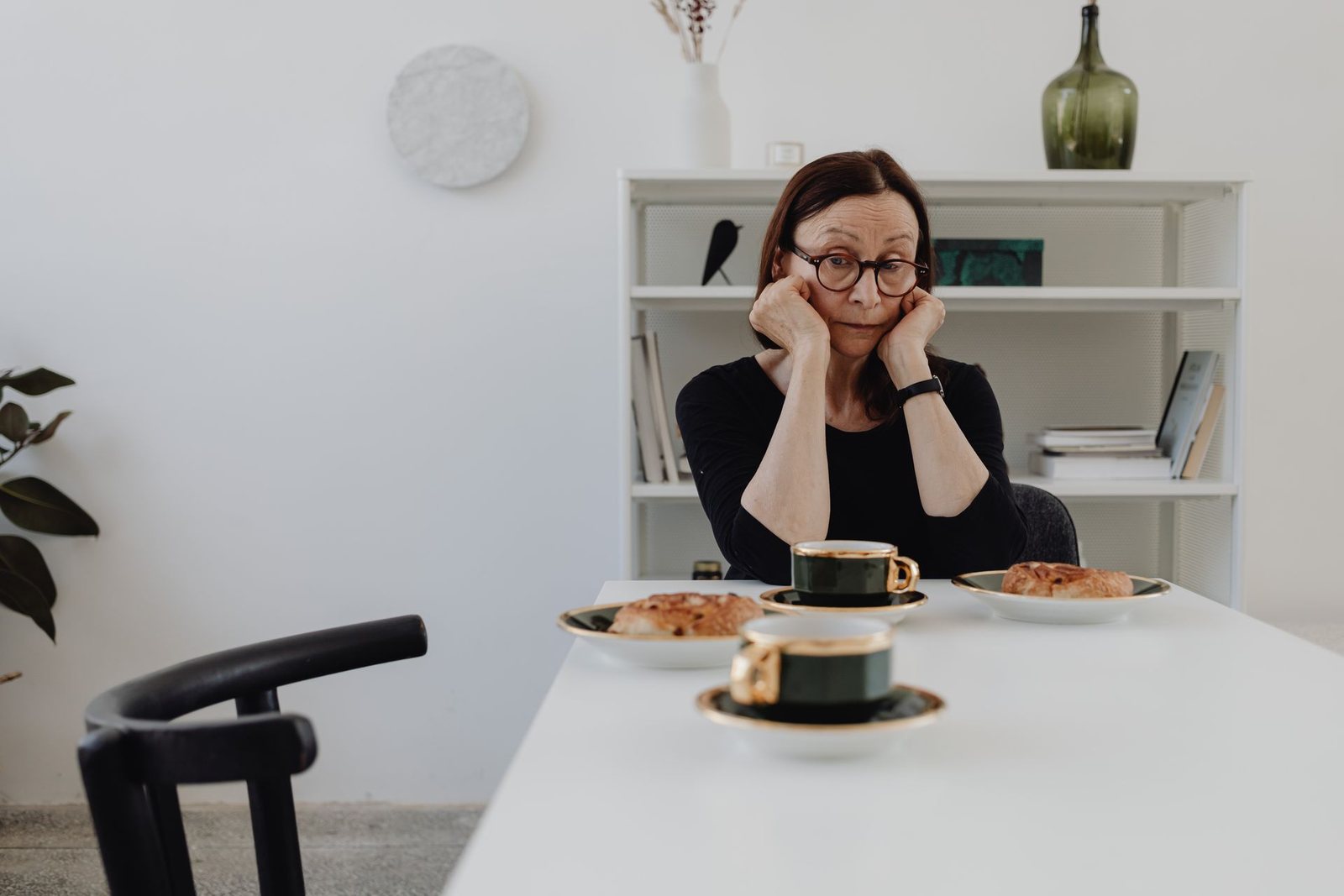
You have passed the twelve-month mark. The date is behind you now, officially, the counting is finished, and you are postmenopausal. So why are you still waking at 4am with the sheets damp, wondering whether the heat is ever properly going to stop?
This is one of the most common questions in my counselling room, and it rarely arrives with relief attached. Women expect menopause to work like a line: perimenopause on one side, done and dusted on the other. Then they cross it and find the flushes, the sleep, the joints or the fog are still there, sometimes for years, and nobody warned them that reaching menopause and finishing with its symptoms are two different things.
How long do menopause symptoms last after your periods stop? For most women, hot flushes and night sweats ease gradually over several years, and for some they continue for a decade or more. Other symptoms, such as vaginal dryness and joint aches, do not reliably fade on their own and may need attention rather than patience, while energy and mental clarity tend to return as the years go on.
I have already set out what commonly persists, fades or emerges decade by decade in postmenopause: what it means and what to expect at 50, 55, 60 and beyond, the first article in this series. This one narrows in on the question underneath that map: not what happens at each age, but how long any of it actually takes to pass.
What usually fades on its own
Hot flushes and night sweats are the symptom most women ask about, and they are also the one most likely to ease with time. Large long-term studies of women going through menopause have found that hot flushes and night sweats last around seven years in total on average, counting the years either side of the final period. For most women that means a gradual softening through the postmenopausal years rather than a sudden stop, and for a smaller group they continue for more than a decade. If you are ten years past your last period and still getting the occasional flush, you have done nothing wrong. You are in a documented minority.
A woman I worked with, six years postmenopausal, told me the moment she finally believed it was behind her was not a date on a calendar. It was an ordinary Tuesday when she reached for a jumper because she was cold, rather than because she was trying to hide the sweat coming through her blouse.
What can carry on, or get worse, without treatment
Not every symptom follows that fading pattern. Some need attention rather than time.
Vaginal and urinary symptoms rarely improve by themselves. Genitourinary syndrome of menopause covers dryness, discomfort during sex, and urinary irritation, and unlike hot flushes it tends to be progressive rather than self-limiting once oestrogen stays low. I cover it directly, including what is generally considered safe to raise with your GP, in sex after menopause.
Joint pain after menopause is a recognised, if under-discussed, symptom. The British Menopause Society lists joint aches among the physical effects of falling oestrogen, and for some women they persist well into postmenopause rather than settling alongside the flushes.
Hair loss after menopause follows a similar pattern. Thinning, driven by the changed balance between oestrogen and androgens once periods have stopped, is a recognised symptom that does not reliably reverse on its own.
Sleep can stay disrupted even once the night sweats calm down. Several of the women I see find the waking itself becomes a habit long after the heat that originally caused it has faded, which is one reason sleep is worth addressing in its own right rather than waiting for flushes to settle.
What tends to come back
Energy, mental clarity and a sense of being back in your own head are the improvements women mention most once they are well into postmenopause, though I say that from what I hear in the counselling room rather than from a single clinical figure. Several women I have worked with describe a specific, unremarkable moment rather than a dramatic turning point, the day they realised the fog had lifted or the tiredness had gone back to being ordinary tiredness instead of a hormonal one. That does not mean life returns to exactly how it was before perimenopause began. It means the particular weight of the transition itself tends to ease.
Am I still in it, honestly
This is the question underneath the question, and I want to answer it plainly. Once you are twelve months past your last period you are postmenopausal, permanently, for the rest of your life, and that part is settled; it does not reopen. What is not settled is your symptoms. Postmenopause is a hormonal state, not a symptom guarantee, and plenty of women within it still have flushes, still sleep badly, still feel foggy some weeks.
A woman I worked with, four years past her last period, had stopped mentioning her night sweats to anyone, because she had assumed that by then they should have finished, and admitting they had not felt to her like admitting some kind of failure. It was neither a failure nor unusual. Symptoms and the postmenopause label simply do not always move at the same speed, and nobody explains that in advance.
Coming off HRT: a conversation for your GP
If you are on HRT and thinking about stopping, this is worth raising with your GP rather than deciding alone, or reading it off a website, mine included. NICE guidance notes that whether you stop gradually or stop all at once makes little difference to whether symptoms return, and some women find flushes come back for a while regardless of the method, while others notice very little change. There is no fixed point at which coming off is “due”. The right timing is an individual decision, made with your GP, weighed against your own health history. I am a counsellor, not a doctor, and none of this is medical advice.
HRT after 60: also a conversation for your GP
The question of whether to start or continue HRT after 60 comes up often in my sessions, usually carrying some worry that being older changes the answer on its own. It can, but not in a fixed way. British Menopause Society guidance is that age alone should not automatically rule HRT in or out, and that the decision rests on your individual health history and risk factors, weighed together with your GP. If you are already taking HRT and turning 60, that is a sensible point to review it with your GP rather than to stop by default, or to continue without checking in.
Frequently asked questions
How long do symptoms of postmenopause last?
There is no single answer, because it depends which symptom. Large long-term studies have found that hot flushes and night sweats last around seven years in total on average, and for a smaller group of women they continue for more than a decade. Vaginal dryness and some joint aches can persist indefinitely without treatment, since they do not follow the same natural fading pattern. Energy, sleep and mental clarity tend to improve gradually over the following years, though the timeline varies considerably between women.
What are the signs of the end of menopause?
Medically, menopause is confirmed once twelve months have passed without a period, a rule I cover fully in how long does menopause last. What people usually mean by this question, though, is different: they want to know if their symptoms are fading. There is no single clean signal for that. Flushes and night sweats typically ease first, sleep and mood often follow more slowly, and for some symptoms, such as vaginal dryness, there is no natural fading at all without treatment.
What happens to your body after menopause is over?
Once you are postmenopausal, oestrogen stays at a permanently lower level for the rest of your life, and your body adjusts to that gradually rather than all at once. Hot flushes and night sweats usually fade over the following years for most women. Bone density and heart health need more active protection than before, covered in bones, heart and weight after menopause. Vaginal and urinary tissue can keep thinning without treatment, so raise it with your GP if it bothers you.
I have sat with many women who felt they had failed some unwritten deadline for their symptoms to be over, and none of them had. If you want a companion for whatever stage you are actually at, book a free discovery call here. Next in the series: Sex After Menopause: Dryness, Pain, Desire and the Conversation Nobody Starts.
This article is part of Life After Menopause, a six-part series.
Previous: part 1 · Next: part 3