-
9AM - 5PM
-
9AM - 5PM


Will I Ever Feel Like Myself Again After Menopause?
Will you feel like yourself again after menopause? An honest answer, and what the woman after is like. From counsellor Sharon Rosenbloom.

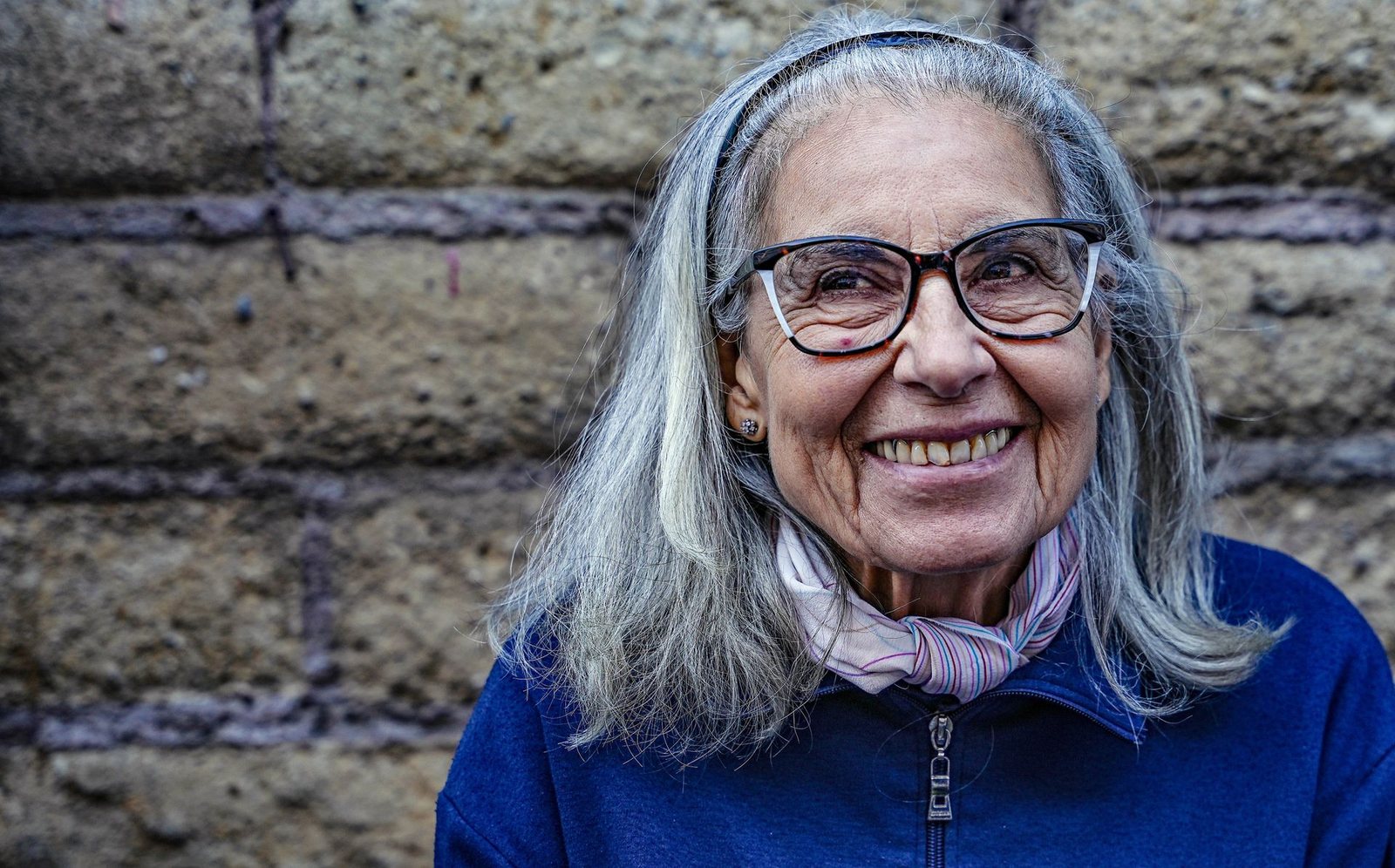
You are five, six, eight years past your last period. The flushes are largely gone. Sleep, most nights, behaves itself. And still, on an ordinary afternoon, you catch your reflection in a shop window, or hear your own laugh at something you would not once have found funny, and think: who is that?
This is not the question of the first year, when everything hormonal was still in motion and there was an obvious culprit for every strange mood. This is the version that turns up later, once the noise has settled and there is nothing left to blame. You expected the old you to walk back in once the symptoms eased. She has not. Someone else has, and you are not sure yet whether you trust her.
I hear this question from women well into their sixties and seventies, not only the newly postmenopausal, because it does not resolve on a schedule and it does not resolve by waiting for a former self to reappear.
Will you feel like yourself again after menopause? Not in the way the question hopes. The woman who existed before your hormones changed belonged to a body and a life stage that has genuinely ended, and she is not coming back. What does return, often years further on than anyone tells you, is a settled feeling: solid, familiar, and built rather than restored.
Why the earlier self does not come back
It helps to be plain about why, because vague comfort (“you will feel like yourself again soon”) sets women up to keep waiting for something that was never going to arrive.
The self you had before perimenopause was organised around conditions that no longer exist: a cycling body, and usually a life stage of raising young children, building a career from nothing, or being the person everyone else’s plans ran through. When both the hormones and that life stage end together, the self that made sense of them cannot simply switch back on, because there is nothing left for it to be organised around. This is not decline. It is closer to what happens after any major life change: the person you were made sense of a world that has moved on.
I wrote about the reconstruction that starts the moment your periods stop in Has menopause changed who I am?, and if you are still in the thick of that “who am I now” disorientation, that article is the better place to start. This one is for further down the road, when the disorientation has largely passed and a new question has taken its place: is this it, is this who I am now, and do I like her?
What the woman on the other side is actually like
The practical list of what eases with time, sleep, flushes, the fog lifting, is mapped fully in what gets better after menopause, so I will not repeat it here. What I want to describe is the person underneath those improvements, because that is what women are really asking about when they ask if they will feel like themselves again.
She has largely stopped auditioning. Not from indifference, but because she has run out of spare energy for performances that were never really required of her. Opinions arrive without the apology that used to precede them.
Her attention belongs to her. For decades it was distributed automatically among everyone else’s needs. What I see, once the identity work has been done rather than avoided, is a woman who notices where her attention goes before it goes there, and chooses.
She tolerates less, and it costs her nothing. The standing arrangement she never enjoyed, the family obligation that ran on her unpaid effort for years: these get a plain no now, and nobody is as upset about it as she once feared.
A woman I worked with came to see me at fifty-eight, four years past her last period, because a form had asked for her occupation and she had written something on it she would never have dared put down at forty. She was not who she had been. She told me she preferred this version, then apologised for saying so, as though liking herself required someone’s permission. It does not, and that apology is usually the last thing to go.
Another woman, seventy-one, came to me not because anything was wrong but because she was suspicious of a peace she could not account for. She had spent four decades assuming contentment meant trouble was coming. It took months of sessions before she trusted that simply being herself, without waiting for the next demand, was not the calm before something worse. It was just how it feels once you are no longer waiting for something to go wrong.
Is there a timetable for this
There is no fixed date, and anyone selling you one is selling something. For some women the settled feeling arrives within a year or two of their final period. For others it takes the better part of a decade, especially if grief, illness, bereavement or a marriage ending arrived in the same years, because identity work does not wait for other losses to finish; it happens alongside them, at whatever pace the whole of your life allows.
What I can tell you is that it is cumulative rather than sudden. Women rarely report a single morning of “there she is.” They report noticing, in hindsight, that they stopped checking whether they were doing life right, or that a decision which would once have taken a fortnight of second-guessing took an afternoon. The evidence tends to arrive well after the change itself.
One boundary here, because this territory borders mental health. If what you are feeling is not unfamiliarity but flatness, a loss of interest in things you used to enjoy, or a low mood that will not lift, that may be depression rather than identity in transition, and depression is treated rather than outwaited. I am a counsellor, not a doctor, and I have written separately about that distinction in low mood, loneliness and depression after menopause; if any of it sounds closer to what you are carrying, start there, and see your GP.
What I would want you to take from this
Identity after menopause is not handed back to you complete. It is assembled, over years rather than months, out of whatever survived the transition and whatever you decided to keep. In my grief work, that assembling is what the later stages describe, the ones our culture rarely mentions, and I have written more on that in growth and transformation, the twelfth stage of grief, if the idea of grief work outlasting the loss itself is new to you.
You will not feel like the woman you were at thirty, or forty, or even the woman you were the year before your periods stopped. That woman met the demands of a body and a life stage that has closed. The woman several years past menopause is different: firmer in her own preferences, lighter in what she carries for other people, and, more often than the deficit stories admit, genuinely glad to have arrived here.
Frequently asked questions
Do you feel normal again after menopause?
Most women eventually do, though normal tends to mean a new steadiness rather than a return to how you felt at thirty or forty. Hormones settle in postmenopause rather than swinging as they did in the years before, and many women describe feeling more solidly themselves once that settling, and the identity work alongside it, has had time to happen. It is common, not guaranteed on any fixed date, and rarely instant.
Will I ever feel better after menopause?
For the great majority, yes, though better usually means calmer and clearer rather than a return to an earlier self. The chemical swings of the transition ease, and most women report improved mood, sleep and confidence over time. If low mood persists rather than lifting, that is worth raising with your GP rather than waiting out, since ongoing depression needs treatment, not patience.
How long does it take to feel normal after menopause?
There is no fixed timetable. Some women notice a settled feeling within a year or two of their final period; for others it takes several years, particularly if other losses, bereavement, illness, a relationship ending, arrived in the same stretch of life. It tends to build gradually rather than arrive on a single day, which is why many women only recognise it in hindsight.
Twenty years of sitting with women through grief and the rebuilding that follows it have taught me that the woman who emerges after menopause is not a lesser version of who she was, and I would be glad to help you find her; book a free discovery call here. This completes the series; start again from Postmenopause: What It Means and What to Expect at 50, 55, 60 and Beyond.
This article is part of Life After Menopause, a six-part series.
Previous: part 5